Can Dogs Eat Pomegranate?

AVOID

AVOID — pomegranate is not considered a classic dog poison, but it is not recommended as a treat. A seed or two is unlikely to harm a healthy adult dog.

We recommend not giving pomegranate to dogs. It can upset the stomach, and the tough peel (rind) carries more concern than a few seeds, including a risk of blockage. If your dog ate one or two seeds, that is unlikely to cause serious harm. Commercial dog foods that list pomegranate as an ingredient are a different question.

We recommend not offering pomegranate, but it is not considered a classic dog poison. If a healthy adult dog ate one or two seeds and is acting normally, watch for stomach upset. Contact a veterinarian if your dog ate a large amount, chewed or swallowed the peel or rind, or develops repeated vomiting, diarrhoea, straining or belly pain. Do not induce vomiting on your own initiative.

See our guide to fruits dogs can and can't eat to compare this with the rest of the fruit list.

On this page
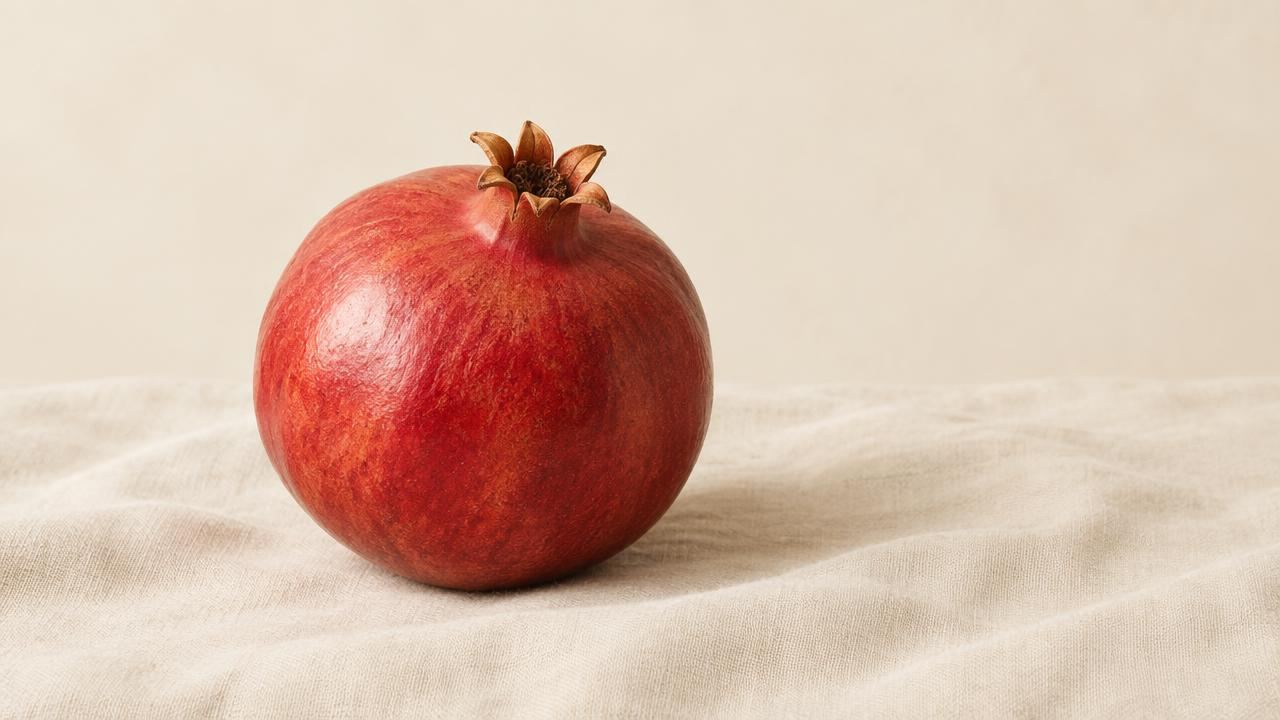
A single whole red pomegranate on a cream linen cloth

Quick answer

Category
Fruit
Recommended preparation
Not recommended
Main concern
Stomach upset; peel and rind can cause a blockage
Suitable as everyday food
No

The full answer

Veterinary and kennel-club sources do not describe pomegranate as a classic poison for dogs, but they do not recommend it as a treat either.

The most common problem is stomach upset, such as vomiting or diarrhoea, especially if a dog eats a lot of seeds.

The peel, rind and stem carry more concern than the seeds. They are tough, hard to digest and can contribute to a blockage in the gut. PetMD also notes that the peel contains a trace of cyanide-forming compounds. That is one more reason to keep the peel away from dogs, not a reason to panic over a few seeds.

One or two seeds are unlikely to seriously harm a healthy adult dog.

Pomegranate juice is a different product and often contains added sugar. Commercial dog foods and treats that list pomegranate as an ingredient are formulated products. They are not equivalent to a dog eating a whole pomegranate, and this page does not assess them.

Risks and Things to Know

  • Stomach upset — vomiting or diarrhoea — especially with larger amounts of seeds.
  • The peel, rind and stem are tough and can contribute to a blockage.
  • Juice may contain added sugar.

How Much Can Dogs Eat?

We recommend not offering pomegranate as a treat.

Keep whole fruit, peel and bowls of seeds out of your dog's reach.

How Should I Prepare It?

  • There is no recommended way to prepare pomegranate for dogs.
  • If you would like a fruit treat, choose one from our list of fruits dogs can eat.
What If My Dog Ate Too Much?

If your dog ate one or two seeds and is acting normally, watch for stomach upset.

Contact a vet if your dog ate a large amount, chewed or swallowed the peel or rind, or shows repeated vomiting, diarrhoea, straining or belly pain.

This guide is for general educational purposes and isn't a substitute for advice from your veterinarian. If your dog has eaten something potentially toxic or is showing concerning symptoms, contact a veterinarian promptly.

Frequently Asked Questions

Pomegranate is not considered a classic dog poison, but it is not recommended as a treat. It can upset the stomach, and the peel can cause a blockage.

One or two seeds are unlikely to seriously harm a healthy adult dog. Watch for stomach upset and contact a vet if symptoms appear.

No. The peel and rind are tough, hard to digest and can contribute to a blockage. Contact a vet if your dog swallowed peel.

It is better not to. Juice is a different product from the fruit and often contains added sugar.

Commercial dog foods are formulated products, and an ingredient in them is not the same as feeding a whole pomegranate. This page does not assess those products; ask your vet or the manufacturer.

We rate it AVOID: we do not recommend feeding it, but the sources we use do not describe it as a poison in the way foods like grapes or chocolate are.

How this guide was written

Last updated 29 September 2026. We write from widely published, mainstream pet-health sources and avoid presenting feeding amounts as veterinary prescriptions.

Browse every food in our A–Z guide