The full answer
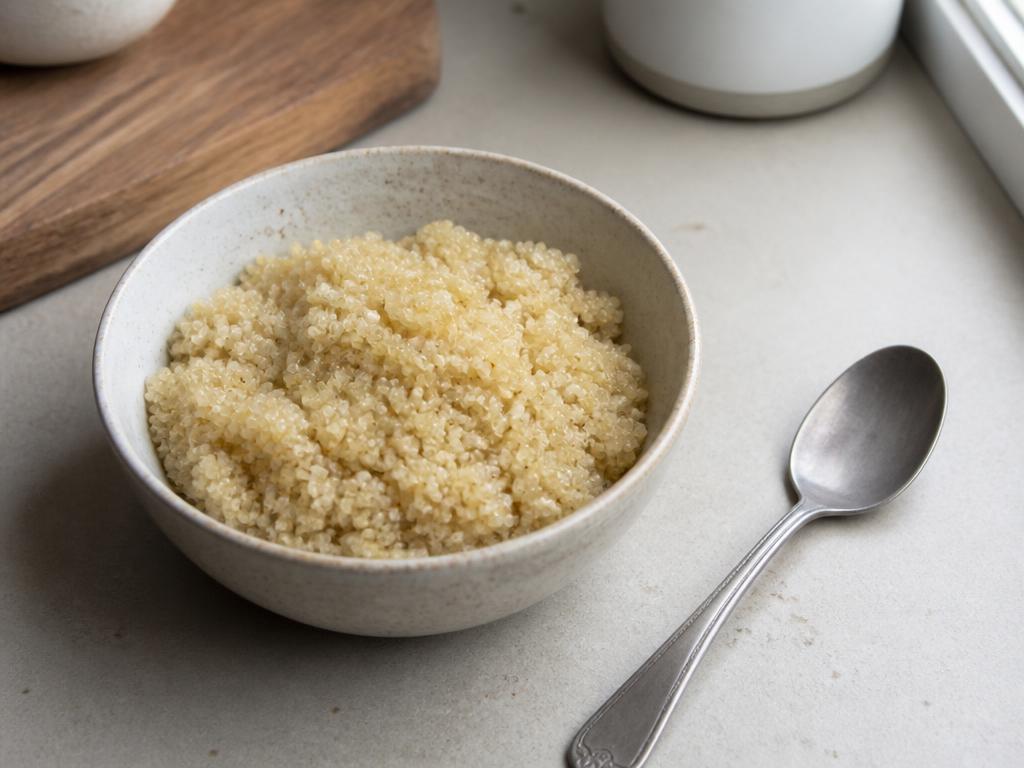
Plain cooked quinoa is a seed that is used as a grain, and it is not considered toxic to dogs. It turns up as an ingredient in some commercial dog foods, which is a reasonable indication that dogs handle it in sensible quantities.
Cooking matters. Uncooked quinoa is hard and difficult to digest, and quinoa has a natural bitter coating (saponins) that is usually removed by rinsing before cooking. Rinse it if the packet does not say it is pre-rinsed, cook it fully until the grains are soft and the little tails have uncurled, and let it cool before serving.
Serve it plain. The problem with quinoa is almost never the quinoa — it is what people cook it in. Stock and broth frequently contain onion or garlic, both of which are a genuine concern for dogs, and quinoa salads come with dressing, salt, spices and sometimes raisins or grapes. Water and nothing else is the way to cook a portion for a dog.
Quinoa is often described as a protein superfood. We are not going to repeat that for dogs. It is a starchy food with some protein and fibre, and adding it to a complete diet does not make the diet better — it dilutes a balance that has already been worked out. A spoonful stirred through dinner is a treat; replacing part of a meal with quinoa regularly is a nutrition decision to make with your vet.
Is Quinoa Good for Dogs?
Quinoa provides carbohydrate, some plant protein and fibre, and it is gluten-free, which is occasionally relevant for dogs on a vet-directed diet. Those are ingredient properties rather than health claims. A dog eating a complete food is not short of anything quinoa supplies, so think of it as a small, harmless addition for variety.
Potential benefits
- Soft when cooked, so it mixes easily through food
- Provides fibre and some plant protein
- Gluten-free, which can matter for dogs on a vet-directed exclusion diet
Risks and Things to Know
- Undercooked or raw quinoa is hard to digest and more likely to cause upset
- Quinoa cooked in stock or broth may contain onion or garlic, which are toxic to dogs
- Quinoa salads carry dressing, salt, spices and sometimes grapes or raisins
- Too much at once commonly causes gas or loose stools
- Regularly replacing part of a complete diet with quinoa risks unbalancing it
How Much Can Dogs Eat?
A spoonful stirred through food suits a medium dog, and less for a small one. It should look like a garnish, not a side dish.
Introduce it once, on its own, and see how your dog's stomach responds before it becomes a habit. Dogs on prescription or weight-management diets should not have extras added without veterinary advice.
How Should I Prepare It?
- Rinse the quinoa under cold water unless the packet says it is pre-rinsed
- Cook it thoroughly in plain water until soft
- No salt, oil, butter, spices, stock or broth — and never onion or garlic
- Let it cool completely before serving
- Serve a small amount plain or mixed through your dog's usual food
- Avoid quinoa salads, flavoured quinoa pouches and seasoned leftovers